
Complete Guide to Mobile Device Management in Saudi Arabia

Table of Contents
- Introduction: The Growing Need for Mobile Device Management
- Understanding Mobile Device Management (MDM)
- Common Pain Points Organizations Face
- Remote Device Control: The Game-Changing Solution
- Mobile Application Management: Beyond Basic Control
- Benefits of Implementing MDM Solutions
- Best Practices for Remote Device Access
- Saudi Arabia’s Digital Transformation and MDM
- Implementation Strategy: Step-by-Step Guide
- ROI and Business Impact
- Future Trends in Mobile Device Management
- Conclusion
Mobile Device Management means you might be struggling to maintain control over the hundreds of smartphones, tablets, and laptops your employees use daily across Saudi Arabia(KSA)?
If your IT team spends countless hours troubleshooting device issues, worrying about data breaches, or trying to enforce security policies on scattered devices, you’re facing the same challenges that thousands of Saudi businesses encounter every day.
The rapid adoption of mobile technology in Saudi Arabia has created both opportunities and headaches.
Understanding Mobile Device Management (MDM)
Mobile Device Management represents a comprehensive approach to securing, monitoring, and managing mobile devices used within an organization.
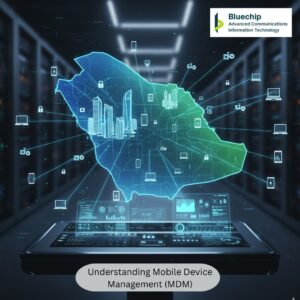
At its core, MDM enables IT administrators to control remote devices from a centralized console, regardless of whether these devices are located in corporate offices in Riyadh or with remote employees across Saudi Arabia.
Modern MDM solutions go far beyond basic device remote access. They provide sophisticated capabilities for policy enforcement, application distribution, security monitoring, and compliance reporting.
The evolution of MDM has been driven by several key factors:
Proliferation of smartphones and tablets in the workplace has increased the complexity of managing devices.
Rising sophistication of cyber threats demands stronger security and monitoring systems.
Regulatory compliance requirements, including Saudi Arabia’s National Cybersecurity Authority (NCA) guidelines, have made secure device management mandatory.
Digital transformation initiatives under Vision 2030 emphasize the importance of secure, connected, and efficiently managed mobile ecosystems.
As a result, robust remote device control is now essential, not merely beneficial, for modern organizations.
Core Components of Modern MDM Systems
Effective MDM platforms integrate multiple technologies to provide comprehensive device remote access and control:
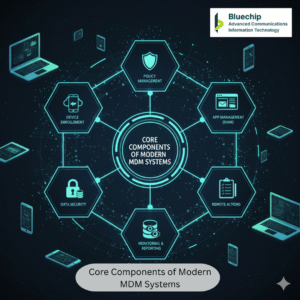
- Policy Management: Centralized creation and enforcement of security policies, including password requirements, encryption standards, and application restrictions across all managed devices.
- Asset Tracking: Complete visibility into device inventory, location tracking, and comprehensive reporting on device usage patterns and compliance status.
- Application Management: Mobile application download control, distribution of corporate apps, and the ability to remotely install, update, or remove applications based on business needs and security requirements.
- Security Enforcement: Real-time monitoring of device compliance, automatic remediation of policy violations, and the ability to remotely lock or wipe devices that pose security risks.
Common Pain Points Organizations Face
Saudi businesses consistently report several critical challenges when managing mobile devices without proper MDM solutions. Understanding these pain points is essential because they directly impact productivity, security, and compliance across organizations of all sizes.
Security Vulnerabilities and Data Breaches
The most significant concern for organizations is the risk of data breaches through unsecured mobile devices. When employees access corporate email, files, and applications from unmanaged smartphones or tablets, sensitive business information becomes vulnerable to theft, loss, or unauthorized access. This risk is particularly acute in Saudi Arabia, where businesses must comply with strict data protection regulations while supporting increasingly mobile workforces.
Without remote device control capabilities, IT teams cannot ensure that devices accessing corporate networks maintain proper security configurations. Employees may disable security features, install unauthorized applications, or connect to unsecured Wi-Fi networks, creating potential entry points for cybercriminals. The consequences of these security gaps can be severe, including financial losses, regulatory penalties, and damage to organizational reputation.
Operational Inefficiencies and Support Burden
Managing devices manually creates significant operational overhead for IT departments. When employees experience technical issues with their mobile devices, IT staff must either provide phone support or wait for the device to be physically brought to their location. This approach is particularly challenging for organizations with distributed workforces or multiple office locations across Saudi Arabia.
The lack of centralized device remote access means that simple tasks like updating applications, configuring email settings, or troubleshooting connectivity issues require disproportionate time and resources. These inefficiencies compound as organizations scale, leading to longer resolution times, increased support costs, and frustrated employees who cannot work effectively due to device problems.
Compliance and Audit Challenges
Organizations operating in regulated industries face particular difficulties in demonstrating compliance without proper MDM solutions. Saudi businesses must often satisfy multiple compliance requirements, from local NCA guidelines to international standards like ISO 27001 or industry-specific regulations in healthcare and finance.
Without comprehensive mobile device management, organizations struggle to provide auditors with accurate records of device security configurations, user access controls, and incident response activities. This documentation gap can result in compliance failures, regulatory fines, and the need for expensive remediation efforts.
BYOD Policy Enforcement
While Bring Your Own Device policies can reduce hardware costs and increase employee satisfaction, they create significant management challenges without proper MDM infrastructure. Organizations must balance employee privacy concerns with corporate security requirements, ensuring that personal devices accessing business resources maintain appropriate security standards.
The complexity of separating personal and business data on employee-owned devices requires sophisticated remote device control capabilities. Without these tools, organizations either compromise security by allowing unrestricted access or frustrate employees by imposing overly restrictive policies that impact personal device usage.
Remote Device Control: The Game-Changing Solution
Remote device control represents the foundation of effective mobile device management, enabling IT administrators to manage, monitor, and secure devices regardless of their physical location. This capability transforms how organizations approach mobile security and support, providing unprecedented visibility and control over distributed device fleets.
Remote Device Control Capabilities
Modern remote device control solutions offer extensive management capabilities that address the core challenges organizations face. These systems enable IT administrators to control device remotely through secure, encrypted connections that maintain device functionality while ensuring corporate security standards.
The ability to control remote devices includes real-time monitoring of device status, remote troubleshooting and support, automated policy enforcement, and immediate response to security incidents. These capabilities are particularly valuable for Saudi organizations supporting remote workers or managing devices across multiple locations throughout the Kingdom.
Device remote access technologies have evolved to provide granular control over device settings, applications, and user permissions. Administrators can remotely configure Wi-Fi networks, install security certificates, manage VPN connections, and enforce password policies without requiring physical access to devices. This level of control ensures consistent security configurations across all managed devices while reducing the support burden on IT teams.
Security considerations are paramount in remote device control implementations. Modern solutions use multiple layers of encryption, certificate-based authentication, and secure communication protocols to ensure that remote access capabilities cannot be exploited by malicious actors.
The ability to control device remotely includes advanced security features such as remote lock and wipe capabilities, geo-fencing and location tracking, real-time threat detection and response, and automated compliance monitoring. These features provide organizations with the tools necessary to maintain security even when devices are lost, stolen, or compromised.
Remote device control systems also support zero-trust security models, where every device access request is verified and authenticated regardless of the device’s location or previous access history. This approach is particularly important for Saudi organizations that must maintain high security standards while supporting flexible work arrangements.
Effective remote device control solutions balance security requirements with user experience considerations. The best systems provide seamless, transparent management that maintains device performance while enforcing necessary security policies.
Users benefit from device remote access through reduced downtime during technical issues, automatic updates and security patches, consistent application availability, and streamlined onboarding for new devices. These benefits contribute to higher employee satisfaction and productivity while reducing support requests and associated costs.
The transparency of modern remote device control solutions means that users can maintain their preferred device usage patterns while IT departments ensure security and compliance requirements are met. This balance is crucial for successful BYOD implementations and overall mobile device adoption within organizations.
Mobile Application Management: Beyond Basic Control
Mobile application management extends the capabilities of basic device control by providing granular oversight of applications installed and used on managed devices. This approach recognizes that modern business productivity depends heavily on applications, making mobile application download control and management critical for organizational success.
Centralized Application Distribution
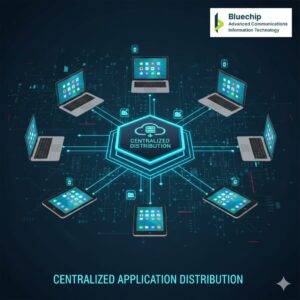
Effective mobile application management begins with centralized control over mobile application download processes. Organizations can create curated application catalogs that include approved business applications, ensure consistent application versions across all devices, provide automated installation and updates, and prevent unauthorized application installations.
This centralized approach to mobile application download management is particularly valuable for Saudi organizations that must ensure compliance with local regulations while maintaining productivity. By controlling which applications can be installed and used, organizations reduce security risks while ensuring that employees have access to the tools they need for effective work.
Mobi application distribution through managed channels also enables organizations to customize applications with corporate branding, integrate with internal systems, and provide specialized functionality that supports unique business requirements. This customization capability is essential for organizations that depend on specialized applications for their core business processes.
Application Security and Compliance
Security considerations in mobile application management go beyond basic installation control. Modern solutions provide comprehensive security features including application sandboxing to isolate business data, encrypted data storage within managed applications, secure authentication and single sign-on integration, and data loss prevention policies.
These security features ensure that business data accessed through mobi applications remains protected even on personal devices used in BYOD environments. The separation of business and personal data through application-level controls addresses privacy concerns while maintaining security requirements.
Compliance reporting capabilities within mobile application management systems provide organizations with detailed visibility into application usage, security configurations, and potential policy violations. This reporting is essential for demonstrating compliance with regulatory requirements and maintaining audit readiness.
Application Performance and User Experience
Successful mobile application management requires attention to application performance and user experience factors. Organizations must ensure that managed applications provide reliable functionality while maintaining security controls that may impact performance.
Modern solutions address these challenges through intelligent caching and synchronization, optimized application distribution, user-friendly interfaces for application requests, and comprehensive support for application troubleshooting. These features ensure that mobile application management enhances rather than hinders user productivity.
The integration of mobile application management with broader device management policies ensures that applications function effectively within the overall mobile security framework while providing users with the applications they need for productive work.
Benefits of Implementing MDM Solutions
Organizations that implement comprehensive mobile device management solutions experience significant benefits across security, productivity, and operational efficiency dimensions. These benefits justify the investment in MDM technology while providing measurable returns through reduced risks and improved operational effectiveness.
Enhanced Security and Risk Mitigation
The security benefits of mobile device management are perhaps the most immediately apparent and valuable for organizations. MDM solutions provide comprehensive protection through multiple security layers that address both known and emerging threats.
Remote device control capabilities enable immediate response to security incidents, including the ability to remotely lock or wipe compromised devices, disable specific applications or services, update security configurations in real-time, and monitor device compliance continuously. These capabilities are crucial for maintaining security in dynamic threat environments where quick response times can prevent serious breaches.
Data protection through MDM solutions includes encryption of data at rest and in transit, secure containerization of business applications and data, prevention of unauthorized data sharing, and comprehensive backup and recovery capabilities. These protections ensure that business data remains secure regardless of device location or user behavior.
Operational Efficiency and Cost Reduction
Mobile device management solutions significantly improve operational efficiency by automating routine tasks and providing centralized management capabilities. IT departments benefit from reduced manual intervention requirements, streamlined device provisioning and decommissioning, automated software updates and security patches, and comprehensive reporting and analytics.
The cost benefits of MDM implementation extend beyond direct IT savings to include reduced security incident costs, improved employee productivity, lower support costs through self-service capabilities, and decreased device replacement needs through better device management. These cost savings often justify MDM investments within the first year of implementation.
Device remote access capabilities enable IT support teams to resolve issues quickly and efficiently without requiring physical access to devices. This capability is particularly valuable for organizations with distributed workforces or multiple office locations, where physical device support would be expensive and time-consuming.
Compliance and Audit Readiness
For Saudi organizations subject to regulatory requirements, mobile device management provides essential compliance capabilities. MDM solutions support compliance through comprehensive audit trails, automated policy enforcement, regular compliance assessments, and detailed reporting capabilities that demonstrate adherence to regulatory requirements.
The ability to control remote devices ensures that compliance policies are consistently applied and maintained across all managed devices. This consistency is crucial for organizations that must demonstrate compliance with multiple regulatory frameworks or industry standards.
Documentation and reporting capabilities within MDM solutions provide organizations with the evidence necessary to satisfy audit requirements and demonstrate due diligence in mobile device security. This documentation is increasingly important as regulatory scrutiny of mobile device security increases across industries.
Scalability and Growth Support
Mobile device management solutions are designed to scale with organizational growth, providing consistent management capabilities regardless of device count or geographic distribution. This scalability is particularly important for Saudi organizations participating in Vision 2030 initiatives that may experience rapid growth and expansion.
The flexibility of modern MDM solutions enables organizations to adapt their mobile device policies and controls as business requirements evolve. This adaptability ensures that mobile device management remains effective even as organizations grow, change, or adopt new technologies.
Best Practices for Remote Device Access
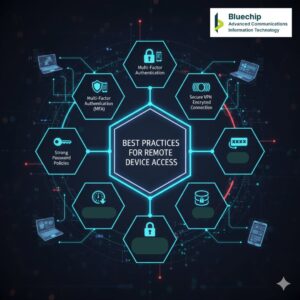
Implementing effective remote device access requires careful attention to security, usability, and organizational requirements.
Organizations that follow established best practices achieve better security outcomes while maintaining user satisfaction and operational efficiency.
Security-First Approach to Remote Access
Security considerations must be paramount in any remote device access implementation. Organizations should implement multi-factor authentication for all device access, use encrypted communication channels for all remote connections, maintain comprehensive logging of all remote access activities, and regularly review and update access permissions based on user roles and requirements.
Device remote access security also requires attention to network security, endpoint security, and user education. Organizations must ensure that remote access capabilities cannot be exploited by malicious actors while maintaining the functionality necessary for legitimate business use.
Regular security assessments of remote device access systems help identify potential vulnerabilities and ensure that security controls remain effective as threats evolve. These assessments should include penetration testing, vulnerability scanning, and compliance validation to maintain comprehensive security posture.
User Education and Training
Successful remote device access implementation depends heavily on user understanding and cooperation. Organizations must provide comprehensive training on security policies and procedures, proper use of managed devices and applications, incident reporting requirements, and best practices for mobile device security.
User education programs should address both technical and behavioral aspects of mobile device security, ensuring that employees understand not only how to use managed devices properly but why these policies are important for organizational security and compliance.
Regular refresher training and updates ensure that users remain aware of evolving security threats and updated policies. This ongoing education is crucial for maintaining security effectiveness as the threat landscape and organizational requirements change.
Performance Optimization and User Experience
Remote device access systems must balance security requirements with user experience considerations to ensure adoption and effectiveness. Organizations should optimize network performance for remote access, provide user-friendly interfaces and procedures, minimize impact on device performance, and offer comprehensive user support and troubleshooting resources.
Regular monitoring of remote device access performance helps identify bottlenecks or issues that may impact user experience. Addressing these issues promptly ensures that security measures do not negatively impact productivity or user satisfaction.
User feedback mechanisms enable organizations to identify and address usability issues that may impact the effectiveness of remote device access systems. This feedback is valuable for continuous improvement and ensuring that security measures support rather than hinder business objectives.
Saudi Arabia’s Digital Transformation and MDM
Saudi Arabia’s Vision 2030 initiative and National Transformation Program have accelerated digital adoption across all sectors of the economy. This digital transformation creates both opportunities and challenges for mobile device management, making MDM solutions increasingly critical for organizational success.
Regulatory Compliance in the Saudi Context
The Saudi National Cybersecurity Authority (NCA) has established comprehensive cybersecurity requirements that directly impact mobile device management strategies. Organizations must ensure that their MDM implementations satisfy NCA Essential Cybersecurity Controls while supporting business objectives and user requirements.
Remote device control capabilities are essential for demonstrating compliance with NCA requirements, particularly regarding data protection, incident response, and continuous monitoring. Organizations that implement comprehensive MDM solutions are better positioned to satisfy regulatory requirements while maintaining operational flexibility.
Local data residency requirements also impact MDM implementation strategies, with organizations needing to ensure that device management and monitoring data remains within Saudi Arabia or approved jurisdictions. This requirement influences vendor selection and system architecture decisions for mobile device management implementations.
Local Market Considerations
The Saudi market presents unique considerations for mobile device management implementation, including cultural preferences for specific device types and applications, Arabic language support requirements, local telecommunications infrastructure considerations, and integration with Saudi government systems and services.
Understanding these local market factors is crucial for successful MDM implementation in Saudi Arabia. Organizations must ensure that their remote device control solutions accommodate local preferences while maintaining security and compliance requirements.
Partnerships with local technology providers and system integrators can provide valuable insight into Saudi market requirements and ensure that mobile device management implementations are culturally appropriate and technically effective.
Implementation Strategy: Step-by-Step Guide
Implementation Strategy: Step-by-Step Guide
Successful mobile device management implementation requires careful planning, phased deployment, and attention to organizational change management. Organizations that follow structured implementation approaches achieve better outcomes with fewer disruptions to business operations.
Phase 1: Assessment and Planning
The first phase of MDM implementation involves comprehensive assessment of current mobile device usage, security requirements, regulatory compliance needs, and organizational readiness for change. This assessment provides the foundation for technical and policy decisions throughout the implementation process.
Remote device access requirements should be clearly defined during this phase, including identification of devices and users that require remote management, security policies that must be enforced, compliance requirements that must be satisfied, and integration needs with existing systems and processes.
Stakeholder engagement during the planning phase ensures that all relevant perspectives are considered and that implementation plans address organizational needs effectively. This engagement is crucial for securing organizational support and ensuring successful adoption.
Phase 2: Pilot Implementation
Pilot implementations enable organizations to test mobile device management solutions with limited user groups before full deployment. This approach allows for identification and resolution of issues while minimizing risks to business operations.
The pilot phase should include testing of all critical remote device control functions, validation of security policies and procedures, assessment of user experience and satisfaction, and evaluation of system performance and reliability.
Lessons learned during pilot implementation inform adjustments to policies, procedures, and technical configurations before full deployment. This iterative approach improves the likelihood of successful full-scale implementation.
Phase 3: Phased Rollout
Full MDM deployment should follow a phased approach that gradually expands coverage while maintaining stability and user support. This approach enables organizations to manage change effectively while ensuring that mobile device management capabilities are properly implemented and adopted.
Each phase of rollout should include comprehensive user training and support, monitoring of system performance and user satisfaction, ongoing refinement of policies and procedures, and preparation for the next phase of deployment.
Device remote access capabilities should be thoroughly tested and validated at each phase to ensure that remote management functions work correctly across all device types and user scenarios.
Phase 4: Optimization and Continuous Improvement
Post-deployment optimization focuses on improving system performance, refining policies based on operational experience, expanding capabilities to address new requirements, and ensuring that mobile device management continues to support organizational objectives effectively.
Regular reviews of remote device control capabilities help identify opportunities for improvement and ensure that security measures remain effective as threats and requirements evolve. This continuous improvement approach is essential for maintaining MDM effectiveness over time.
ROI and Business Impact
Organizations investing in mobile device management solutions typically experience significant return on investment through improved security, operational efficiency, and user productivity. Understanding and measuring these benefits helps justify MDM investments and guide optimization efforts.
Quantifiable Benefits and Cost Savings
The most direct benefits of MDM implementation include reduced security incident costs, decreased IT support overhead, improved user productivity, and lower device replacement and maintenance costs. These benefits can be quantified and measured to demonstrate ROI.
Remote device control capabilities contribute significantly to cost savings by reducing the time and resources required for device support and management. Organizations typically see substantial reductions in support ticket volumes and resolution times after implementing comprehensive MDM solutions.
Avoided costs from security incidents and compliance violations often represent the largest components of MDM ROI. Organizations that prevent even a single significant security breach through effective mobile device management typically recover their entire MDM investment.
Productivity and Operational Benefits
Mobile device management improves productivity through streamlined device provisioning, reduced downtime during technical issues, consistent application availability and performance, and improved user experience with managed devices.
The ability to control device remotely enables faster problem resolution and reduces the impact of technical issues on user productivity. This capability is particularly valuable for organizations with distributed workforces or time-sensitive business operations.
Operational benefits extend beyond direct productivity improvements to include better resource allocation, improved compliance posture, enhanced security awareness, and stronger alignment between IT capabilities and business objectives.
Strategic Value and Competitive Advantage
Organizations with effective mobile device management capabilities are better positioned to adapt to changing business requirements, support new business models and operating approaches, maintain competitive advantage through secure mobility, and participate in digital transformation initiatives.
The strategic value of remote device control capabilities extends beyond immediate operational benefits to include organizational agility, risk management, and competitive positioning. These strategic benefits are often the most significant long-term value drivers for MDM investments.
Future Trends in Mobile Device Management
The evolution of mobile device management continues to accelerate, driven by emerging technologies, changing work patterns, and evolving security threats. Organizations must understand these trends to ensure that their MDM strategies remain effective and aligned with future requirements.
Emerging Technologies and Integration
Artificial intelligence and machine learning are increasingly integrated into mobile device management solutions, providing enhanced threat detection, automated policy enforcement, predictive analytics, and improved user experience through intelligent automation.
- Integration with IoT and new form factors
- Enhanced cloud and edge computing support
- Convergence with other enterprise platforms
Evolving Security Landscape
MDM solutions must evolve to counter advanced mobile malware, APTs, social engineering, and nation-state threats. Key enhancements include:
- Advanced encryption & authentication
- SIEM integration and behavioral analytics
- Zero-trust continuous verification models
Workplace Evolution and Mobility Trends
Remote work, hybrid models, and global teams drive MDM requirements—supporting diverse devices, collaboration tools, and flexible schedules while maintaining security and compliance.
- Expanded remote access for new device types
- Integration with collaboration platforms
- Balancing security, privacy, and productivity
Hello! Ask me about future MDM trends, security, or best practices.
Conclusion
Mobile device management has evolved from a nice-to-have capability to an essential component of modern organizational infrastructure. For Saudi organizations participating in Vision 2030 digital transformation initiatives, effective MDM implementation is crucial for maintaining security, compliance, and competitive advantage in an increasingly mobile business environment.
The ability to control remote devices securely and efficiently enables organizations to support flexible work arrangements, maintain productivity during disruptions, respond quickly to security threats, and adapt to changing business requirements. These capabilities are particularly important in the dynamic business environment of Saudi Arabia, where organizations must balance rapid growth with stringent security and compliance requirements.
Remote device access technologies will continue to evolve, providing enhanced capabilities for device management, security, and user support. Organizations that invest in comprehensive MDM solutions today position themselves to take advantage of future innovations while building the foundation for sustainable digital transformation.
The journey toward effective mobile device management requires careful planning, stakeholder engagement, and ongoing optimization. However, organizations that commit to this journey will find that the benefits far exceed the investments, providing both immediate operational improvements and long-term strategic advantages.
As mobile technology continues to reshape business operations and workplace dynamics, mobile device management will remain a critical capability for organizational success. Saudi organizations that embrace comprehensive MDM strategies today will be better positioned to thrive in the digital economy of tomorrow.
The investment in remote device control and comprehensive device management capabilities represents an investment in organizational resilience, agility, and competitive advantage. For Saudi businesses committed to digital transformation and operational excellence, effective mobile device management is not optional – it’s essential for sustainable success in the modern business environment.
Frequently Asked Questions — MDM Services in Saudi Arabia
Q: What is Mobile Device Management (MDM) in Saudi Arabia?
Mobile Device Management (MDM) is enterprise software that allows IT teams in Saudi Arabia to centrally manage, secure, and monitor all employee devices — smartphones, tablets, and laptops — from one dashboard. MDM is required for NCA ECC compliance and PDPL data protection obligations in KSA.
Q: Which MDM services are available in Saudi Arabia?
Bluechip Saudi provides enterprise MDM services in Riyadh, Jeddah, and Dammam. Solutions include 42Gears MDM for device management, NCA-compliant policy enforcement, BYOD management, remote wipe, and 24/7 Arabic-speaking support.
Q: Is MDM required for NCA compliance in Saudi Arabia?
Saudi Arabia’s National Cybersecurity Authority (NCA) Essential Cybersecurity Controls (ECC-2:2024) require organizations to enforce device security, control endpoint access, and maintain detailed audit logs. Deploying a secure endpoint management framework is the most reliable way to fulfill these controls. Non-compliance risks severe administrative penalties, including regulatory fines up to SAR 25,000,000 for critical infrastructure violations. We recommend to talk with legal adviser about govt rules and policies.
Q: How much do MDM services cost in Saudi Arabia?
MDM service costs in Saudi Arabia are tailored based on fleet size and the specific security features required. Bluechip Saudi offers a free initial assessment and custom-fixed quotes for organizations in Riyadh and across KSA.
Q: What is the difference between MDM and UEM?
MDM manages mobile devices specifically. UEM (Unified Endpoint Management) extends this to all endpoints including desktops, laptops, and IoT devices from a single platform. Most modern enterprise deployments in Saudi Arabia use UEM, which includes full MDM capabilities.
Q: How long does MDM implementation take in Saudi Arabia?
- Week 1–2: Policy architecture design and local infrastructure readiness.
- Week 3–4: Pilot group testing and security control validation.
- Week 5–8: Phased enterprise enrollment and administrative handoff.
Ready to transform your organization’s mobile device management strategy? Contact our team of MDM experts to discuss how comprehensive remote device control solutions can enhance your security, improve productivity, and support your digital transformation objectives. Let’s work together to build the mobile-first infrastructure your organization needs to succeed in Saudi Arabia’s digital economy.
Contact MDM Experts